How Your Body Stomach toning Battles Weight Loss Northwestern Medicine If ketones boost completely in the blood, this can result in ketoacidosis, which is specifically common in individuals with type I diabetes and need close surveillance. In tissues such as muscle mass and kidney, fatty acids undergo oxidation for energy. In the liver, fats transform to ketone bodies that are oxidized by tissues such as muscular tissue and kidney. Throughout hunger (after fasting has lasted for concerning 3 or more days), the mind uses ketone bodies for energy. The ketone bodies, acetoacetate, and β-hydroxybutyrate serve as a source of gas. The liver uses glycerol as a resource of carbon for gluconeogenesis, which creates glucose for cells, including the mind and red cell. Fueling for long sessions could include adding fat to your go-to carb sources. When you remain in a long-distance exercise, you could select options like single-serve nut butter bags or bags of seeds and nuts for some on-the-go fat. Some professional athletes mix a set of self-made path mix to combine fat and carbs-- a situation of decreasing overall carbohydrates and replacing those calories with the necessary amounts of fats. The body is always looking for one of the most reliable way to provide energy, and when you crank up the pace, carbs are the energy path of least resistance. If you are low on stored carbs or are not taking in carbohydrates you'll likely run into problems as the pace and distance increase. Yet when paired with GLP-1 drugs that subdue hunger, promoting power expense can bring about therapies that are even more powerful at promoting weight management.
Beta-oxidation Of Fats To Generate Power
Fat, together with carbs and healthy protein, is one of the three main macronutrients in the human diet. In order to make use of fat as power, the body breaks down the fat (triglycerides) right into smaller fats. These fats are then delivered with the blood into the muscles for fuel. This process is referred to as "fat oxidation," also known as, utilizing fat for fuel. They are made use of by the heart and skeletal muscles to maintain the restricted glucose for usage by the mind and erythrocytes.- Catecholamines are the primary activators of lipolysis, while various other hormonal agents and dietary compounds additionally influence it.Via a process called lipolysis, fat cells (adipocytes) can damage down stored triglycerides, launching fatty acids into the bloodstream.This process launches fatty acids, which our skeletal muscular tissues can make use of for power.It is one reason that weight-loss is hard to maintain and why increasing power expenditure alone may not be sufficient to lose weight.In cells such as muscle and kidney, fats undergo oxidation for power.Some people can experience an unpredictability concerning their following goal desires shedding considerable quantities of weight.
Your Body Is Added Ready For Your 2nd Try
Cells do not make use of the energy from oxidation responses as quickly as it is launched. Rather, they transform it into small, energy-rich particles such as ATP and nicotinamide adenine dinucleotide (NADH), which can be made use of throughout the cell to power metabolic rate and create brand-new cellular elements. Furthermore, workhorse proteins called enzymes use this chemical power to catalyze, or speed up, chain reactions within the cell that would certainly otherwise continue extremely slowly. Enzymes do not force a reaction to proceed if it would not do so without the stimulant; rather, they just lower the energy obstacle required for the reaction to start (Figure 4). Some scientists assume that your body has a set factor weight and your metabolic rate, hormones and brain will certainly adjust to keep that weight.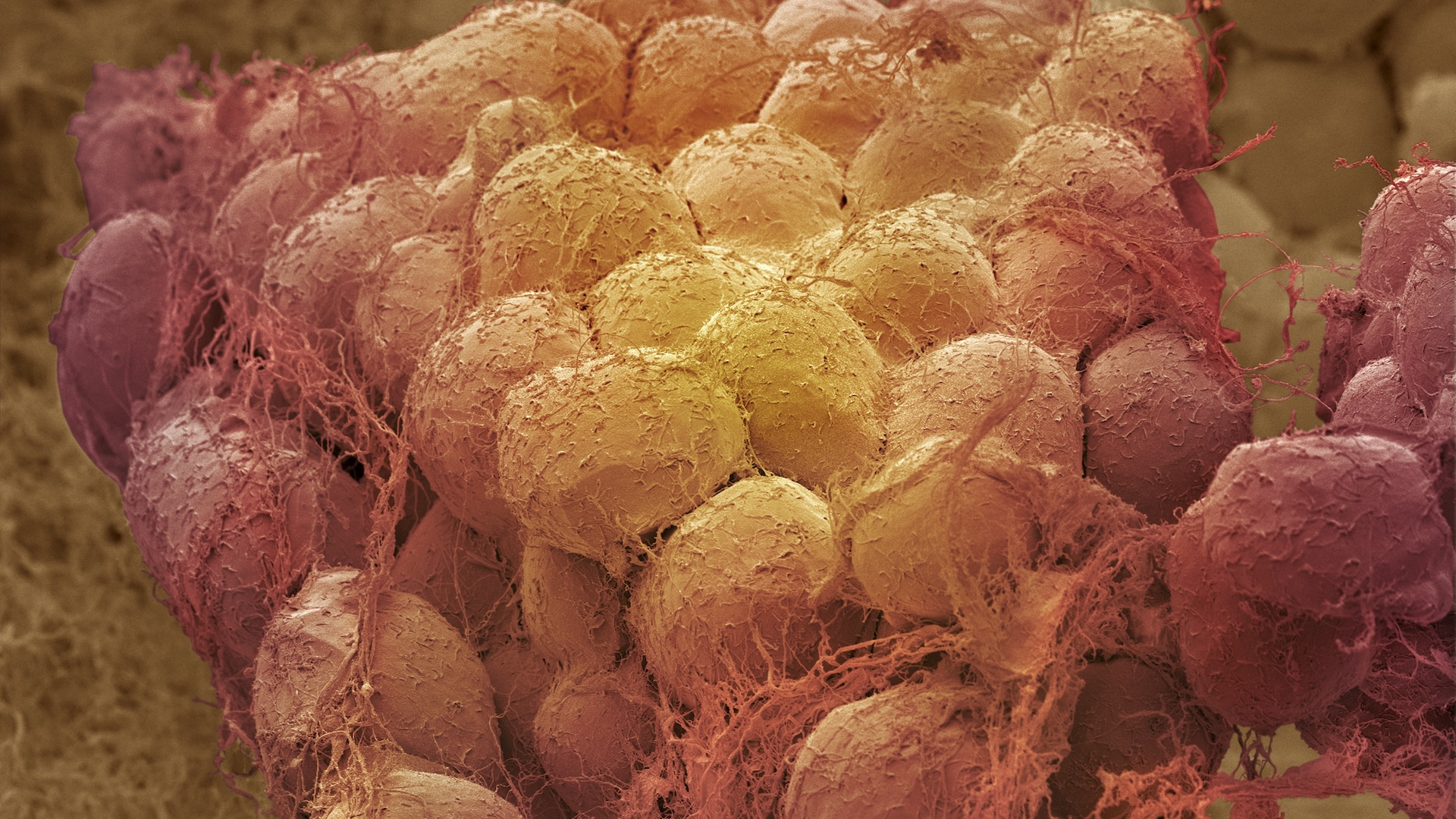
Adipose Tissue (body Fat)
One class of enzyme in charge of this reaction is called ACSL (lengthy chain fatty acyl-CoA ligase/ synthetase). Additionally, both plant and animal cells store power by shunting glucose right into fat synthesis pathways. One gram of fat includes nearly 6 times the power of the same amount of glycogen, however the power from fat is much less easily offered than that from glycogen. Still, each storage space mechanism is necessary due to the fact that cells need both fast and long-lasting power depots. Fats are stored in droplets in the cytoplasm; adipose cells are specialized for this sort of storage space since they have abnormally huge fat beads. Humans typically store sufficient fat to provide their cells with numerous weeks' well worth of power (Figure 7). 